


Leadership & Media
Leadership & Media
This page highlights selected media, leadership work, and systems-level contributions across behavioral health, with a focus on youth mental health access, school-based care, and workforce sustainability.
“Build access. Reduce barriers. Strengthen systems early.”
My work has been featured in regional media and developed through cross-system collaboration, academic partnership, and community-based program expansion.
Selected Media & Leadership Highlights
Featured in Cascadia Daily News, Salish Current, and The Bellingham Herald on youth mental health access and system gaps
Led expansion of school-based behavioral health services across seven districts in Whatcom County
Advisory leadership with Whatcom Community College Behavioral Health Programs
Board Member, Washington State Coalition Against Domestic Violence
Contributed to regional initiatives advancing LGBTQ+ youth behavioral health access
-
Earlier in my career, I worked in domestic violence advocacy and leadership roles supporting survivors navigating escalating risk during periods of system strain.
Regional reporting during that time highlighted:
• Increased severity of domestic violence incidents
• Growth in shelter demand and danger-level assessments
• Law enforcement capacity challenges
• Overcrowded jails and limited perpetrator accountability
• Transitional housing bottlenecks
• Economic abuse as a control mechanismMy work included risk assessment oversight, shelter operations leadership, interagency collaboration, and advocacy for improved systemic responses to survivor safety.
The Bellingham Herald – “Domestic Violence Brutality Increasing in Whatcom County” (2010)
Quoted regarding increases in danger-level assessments and shelter utilization trends. -
During my tenure leading Whatcom County Outpatient services, I oversaw the expansion of school-based behavioral health programming from two school districts to full county coverage across seven districts.
Referrals increased more than fourfold within two academic years increasing from 122 to over 700 annually and reaching more than 1,700 students in one academic year.
Media coverage during this period highlighted rapid growth in access, telehealth deployment, and summer programming designed to reduce service gaps when school was not in session.
Compass Health Implements Summer Program to Connect Whatcom County Youth to Mental Health Services (2022)
Press release highlighting expanded access during school closures and the development of on-site and telehealth summer groups.Cascadia Daily News – Compass Health Works to Fill Gaps in Youth Mental Health Services (2023)
Coverage of referral growth, district partnerships, and increased staffing capacity.Salish Current – Some Progress but Gaps Remain in Mental Health Care for Whatcom Adolescents (2022)
Regional reporting on youth access, Medicaid limitations, and structural workforce shortages. -
Building on school-year behavioral health partnerships, summer programming was developed to reduce service gaps during school closures and sustain continuity of care.
With foundation funding support, the program expanded to multiple sites across Whatcom County and included:
• Weekly 90-minute group interventions
• Social skills, anxiety, and anger management groups
• LGBTQIA+ affirming programming
• Telehealth access options
• Individualized take-home workbooks and skill materials
• Evening caregiver webinars focused on PTSD, anxiety, and gender dysphoria
• Community-based excursions to reduce post-pandemic social isolationWithin two academic years, referrals grew by nearly 488%, expanding from 122 to 717 students served — a reflection of intentional infrastructure development, district partnerships, and reduced barriers to care.
Compass Health Expands Whatcom County Youth Summer Programs for Mental Wellness (2023)
Press coverage highlighting expanded sites, funding partnerships, and continuity of care initiatives. -
Post-pandemic recovery underscored the need for accessible, school-based services that reduced transportation, insurance, and intake barriers for families.
Initiatives included:
• Deployment of more than 50 telehealth devices
• Integration of behavioral health services into food distribution and enrichment sites
• Summer group programming focused on grief, anger management, LGBTQ+ support, stress management, and social skills
• Partnership with local foundations to fund low-income access supportKGMI Radio – Compass Health Summer Programs Interview (2023)
Discussion of youth mental health needs and school-based service models. -
Access to affirming behavioral health care remains limited in many rural and suburban communities. Ensuring that LGBTQ+ youth have safe, supportive, and clinically competent spaces is both a public health and equity imperative.
In partnership with Compass Health, I participated in regional media discussions focused on expanding access to affirming behavioral health services for queer youth across Northwest Washington.
C89.5 Coping 101 – LGBTQ+ Youth Behavioral Services
Presented in partnership with Seattle Children’s and led by youth journalists through Nathan Hale High School’s Podcast Club, this episode explored the importance of accessible, affirming care for LGBTQ+ youth in underserved regions.The discussion focused on:
• Expanding safe spaces for queer youth in rural communities
• Reducing stigma around mental health
• Addressing workforce and access gaps
• Supporting developmental resilience through affirming care modelsDuring the episode, I also discussed elements of lived and professional experience, underscoring the importance of representation, advocacy, and relational systems of care for young people navigating adversity.
The Coping 101 series aims to destigmatize mental health from a teen-centered perspective and connects families to community-based behavioral health resources.
-
In addition to direct service expansion, I have contributed to broader systems-level initiatives designed to strengthen community-based behavioral health infrastructure.
I served on the School-Based Health Center Planning Task Force supporting the development of expanded behavioral health access at Options High School, with a focus on equity-centered care, substance use treatment integration, and solution-focused brief intervention models embedded within the school environment.
Earlier in my career, I also served on the Board of the Washington State Coalition Against Domestic Violence (WSCADV), contributing to statewide advocacy efforts centered on survivor safety, systems accountability, and violence prevention.
These collaborative efforts informed recommendations to district and community leadership regarding sustainable, school-embedded mental health services and strengthened cross-system responses to behavioral health and safety needs.
-
Sustainable behavioral health systems require intentional workforce development. In response to regional shortages and increasing service demand, I have partnered with Whatcom Community College’s Bachelor of Applied Science in Social Work program to support clinical pipeline development and practice-ready training.
My involvement has included:
• Advisory Board Vice Chair and current Chair of the Behavioral Health Advisory Committee
• Voting member of the Professional Technical Advisory Committee for the BASW program
• Curriculum consultation to align academic preparation with regulatory, ethical, and workforce realities
• Strengthening practicum pathways to increase experiential learning and community placement capacityAs part of this collaboration, I participated in recruitment and workforce development initiatives, including a featured video highlighting the role of social workers in systems-level coordination, clinical care, and macro policy work.
In that discussion, we emphasize:
Social workers are uniquely positioned as integrators — bridging clinical care, systems navigation, policy advocacy, and relational support. When interdisciplinary teams encounter complexity, social workers often serve as the professionals who synthesize perspectives and coordinate pathways forward.
This reflects my broader commitment to:
• Preparing generalist-trained clinicians who can work across micro, mezzo, and macro levels
• Strengthening ethical, community-responsive practice
• Building sustainable, practice-ready behavioral health workforce pipelinesWorkforce sustainability is not separate from youth mental health access — it is foundational to it.
-
In recognition of sustained school-based programming expansion and community collaboration, the Compass Health Whatcom Outpatient team was named Community Partner of the Year by Bellingham Public Schools through the Promise Awards.
My involvement in this work evolved over time. I began as a school-based clinician and later served as Program Manager of the Child and Family team during the pandemic, before stepping into the Director role for Whatcom County Outpatient services. During this period, I helped lead the expansion of school-based behavioral health services across the county, supported the development of new district partnerships, and contributed to securing additional grant funding to sustain and scale programming.
As Director during this phase of rapid growth, I was honored to be part of the team recognized for its commitment to embedded, equity-centered school-based behavioral health care.
The award acknowledged:
• Embedded behavioral health presence across district schools
• Telehealth equity initiatives
• Summer continuity programming
• Collaborative coordination with educators, families, and allied professionalsCompass Health Named Community Partner of the Year – Promise Awards (2024)
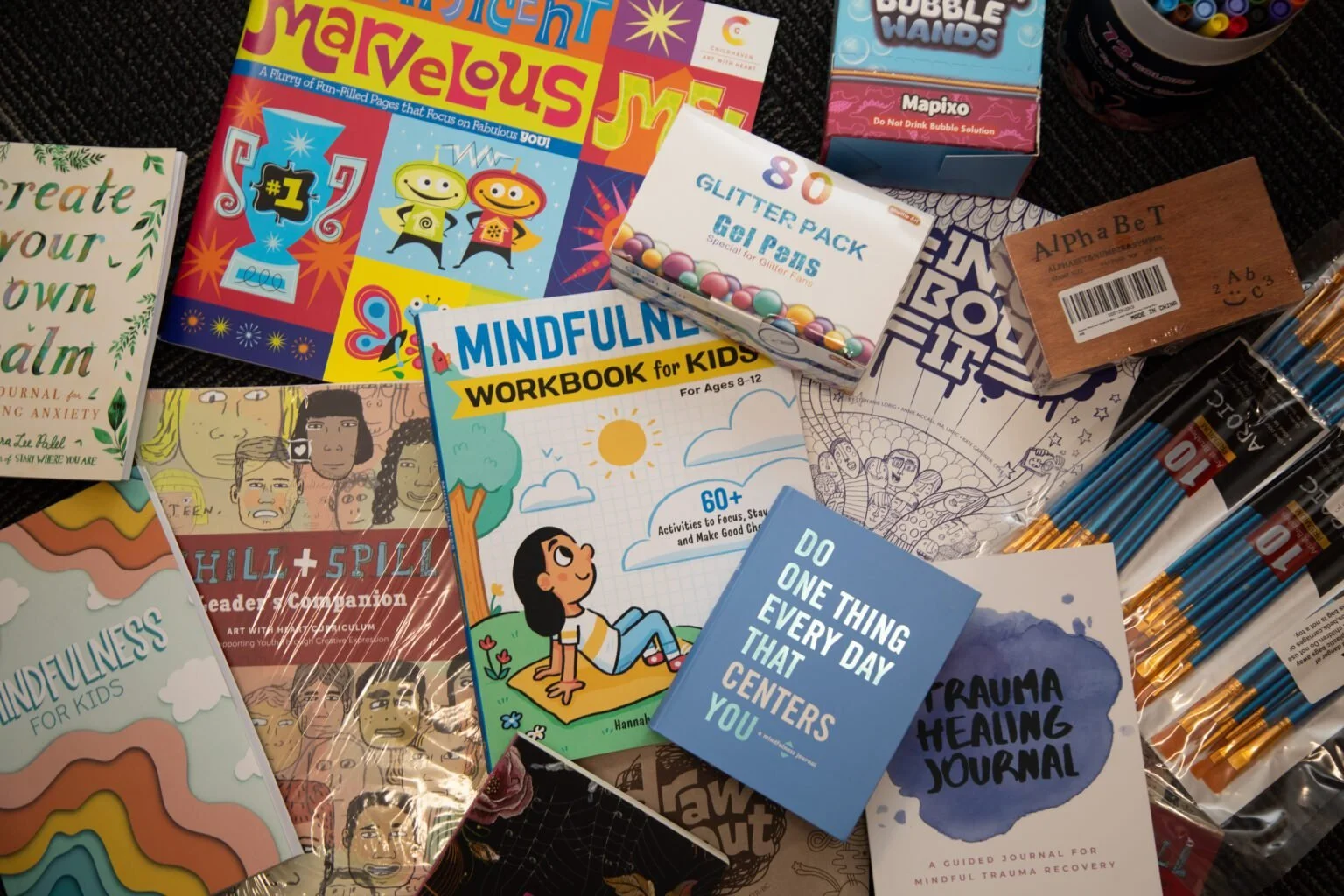
Photo Credit: Cascadia Daily
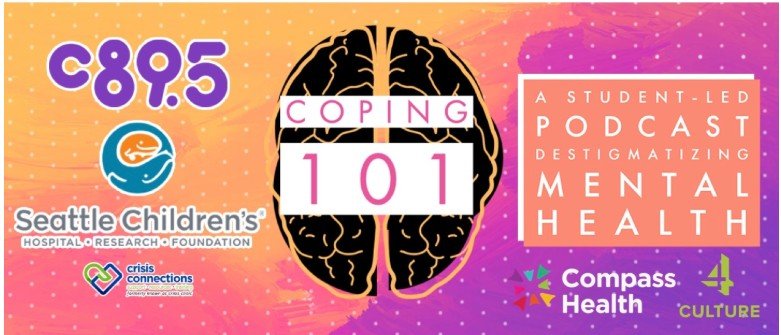
Graphic Credit: c89.5 Coping 101
“Build access. Reduce barriers. Strengthen relational systems early. Support clinicians sustainably. Invest in workforce development.”

Photo Credit: Whatcom Community College
Speaking & Professional Contribution
In addition to systems leadership and media engagement, I provide consultation and educational presentations for clinical, academic, and industry audiences.
Areas include behavioral health systems, clinical practice, workforce development, and sustainable care models.